
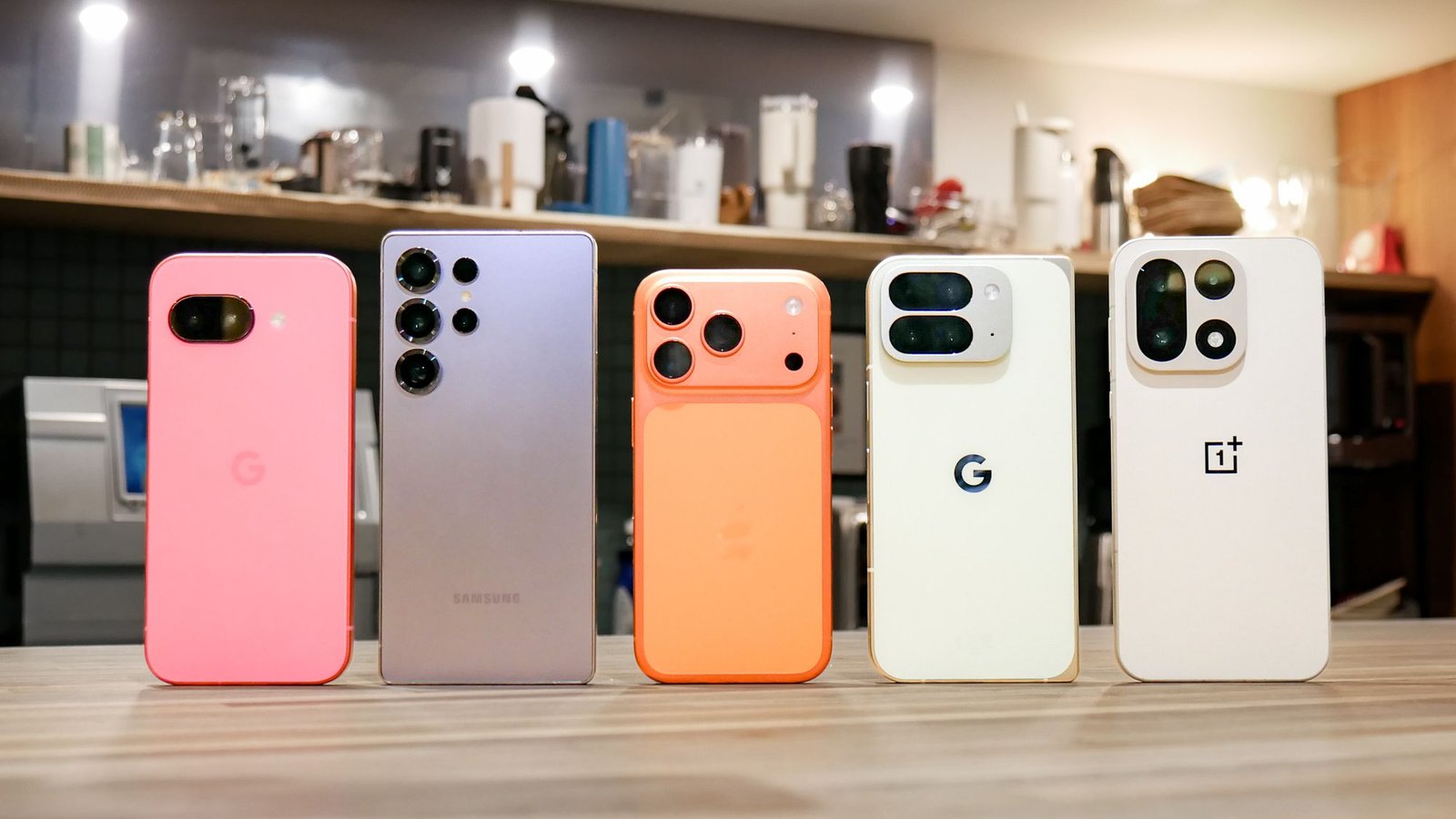
Android phones have become some of the most versatile smartphones available in the United States. From affordable devices to premium flagship models, Android gives consumers a wide range of choices in design, performance, cameras, battery life, gaming, AI, and connectivity.
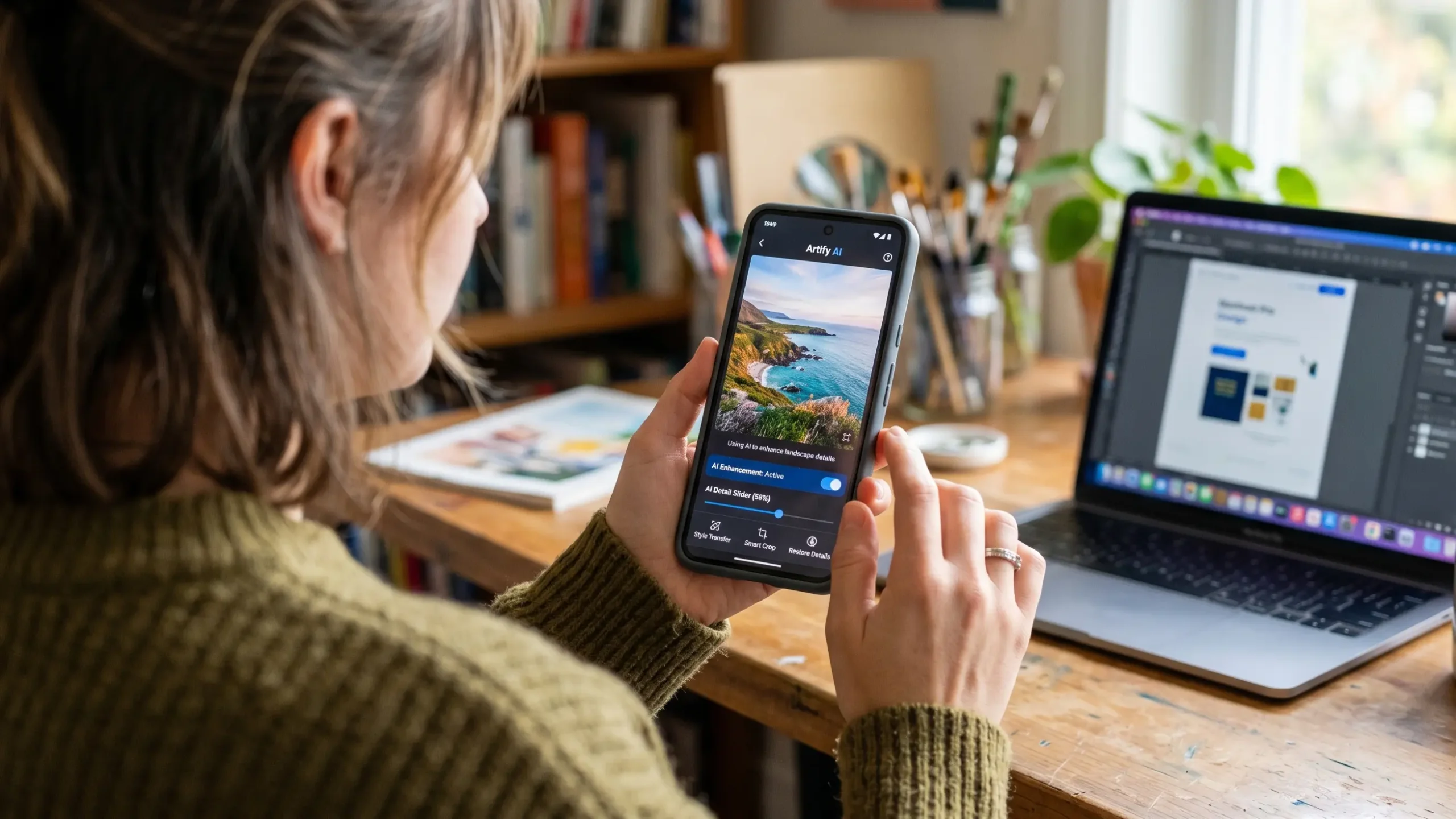
In 2026, Android smartphones are becoming more intelligent and more deeply integrated with artificial intelligence. AI is no longer limited to standalone chatbots. It is increasingly appearing in cameras, messaging, translation, search, productivity tools, voice assistance, photo editing, and device management.
At the same time, smartphone buyers are paying greater attention to privacy, security, software updates, battery longevity, foldable designs, satellite connectivity, and the overall lifespan of their devices.
So, what should American consumers know about Android phones in 2026?
This guide covers the biggest Android trends, features, and technologies shaping the smartphone market.
What Is Android?
Android is a mobile operating system used by smartphone manufacturers around the world.
Unlike Apple’s iPhone ecosystem, where Apple controls both the hardware and operating system, Android is used by many different manufacturers.
That creates a wide variety of devices.
Android phones can differ significantly in:
- Price.
- Screen size.
- Camera hardware.
- Processor.
- Battery capacity.
- Charging technology.
- Software design.
- AI capabilities.
- Update policies.
- Foldable form factors.
For consumers, this variety provides flexibility but also means that specifications should be compared carefully.
AI Is One of the Biggest Android Trends in 2026
Artificial intelligence is changing how people use smartphones.
Modern Android devices can use AI for tasks such as:
- Writing assistance.
- Text summarization.
- Translation.
- Photo editing.
- Voice interaction.
- Search.
- Note organization.
- Call-related features.
- Image generation or editing.
- Productivity.
- Personal recommendations.
The exact capabilities vary by manufacturer and model.
A premium Android phone may offer AI features that are not available on an entry-level device.
On-Device AI
One major development is the ability to perform some AI processing directly on the smartphone.
Modern mobile processors increasingly include dedicated hardware for machine-learning workloads.
On-device processing can provide advantages such as:
- Faster responses.
- Reduced cloud dependence.
- Potential privacy benefits.
- Offline functionality for certain tasks.
However, more demanding AI operations may still require cloud computing.
AI-Powered Smartphone Assistants
Traditional voice assistants focused primarily on commands.
For example:
- Set an alarm.
- Call someone.
- Send a message.
- Play music.
- Set a reminder.
Modern AI assistants are designed to understand more complex requests.
Users may ask an AI system to summarize information, organize tasks, explain a topic, rewrite text, or help with a multi-step activity.
This is gradually changing the smartphone from a passive tool into a more interactive digital assistant.
AI and Smartphone Cameras
Android smartphone cameras are increasingly dependent on software intelligence.
A modern camera system can automatically analyze a scene and adjust:
- Exposure.
- White balance.
- Dynamic range.
- Noise reduction.
- Sharpness.
- Skin tones.
- HDR.
- Portrait effects.
AI-powered editing can also help users remove unwanted objects, improve compositions, or make other adjustments after a photograph has been taken.
This means camera quality is no longer determined only by megapixels.
The combination of sensor hardware, lenses, processor performance, and computational photography can be more important.
Better Smartphone Photography
Android manufacturers continue to compete heavily in smartphone photography.
Premium phones can include:
- Wide-angle cameras.
- Ultra-wide cameras.
- Telephoto lenses.
- High-resolution sensors.
- Optical image stabilization.
- Advanced night photography.
- High-resolution video.
- Computational photography.
A phone with fewer megapixels can sometimes produce better photographs than a phone with a higher megapixel count because image processing and sensor quality matter significantly.
Foldable Android Phones
Foldable smartphones continue to represent one of the most interesting hardware trends.
There are several common designs.
Book-Style Foldables
These devices open like a small book.
When closed, they function like a normal smartphone.
When opened, the internal display provides a larger workspace.
This can be useful for:
- Multitasking.
- Reading.
- Video.
- Documents.
- Email.
- Productivity.
Flip-Style Foldables
Flip phones fold vertically.
When opened, they behave like traditional smartphones.
When closed, they become significantly smaller.
Some models also provide an external display for notifications, cameras, widgets, and quick interactions.
Why Foldables Matter
Foldable phones are attempting to solve a basic smartphone problem:
How can a device remain portable while offering a larger screen?
Instead of making a conventional phone increasingly wide, manufacturers can use flexible displays to create a larger screen when needed.
However, buyers should consider:
- Hinge durability.
- Weight.
- Thickness.
- Repair costs.
- Battery life.
- App optimization.
- Display durability.
- Price.
Foldables are not automatically better than traditional smartphones. They are simply another form factor.
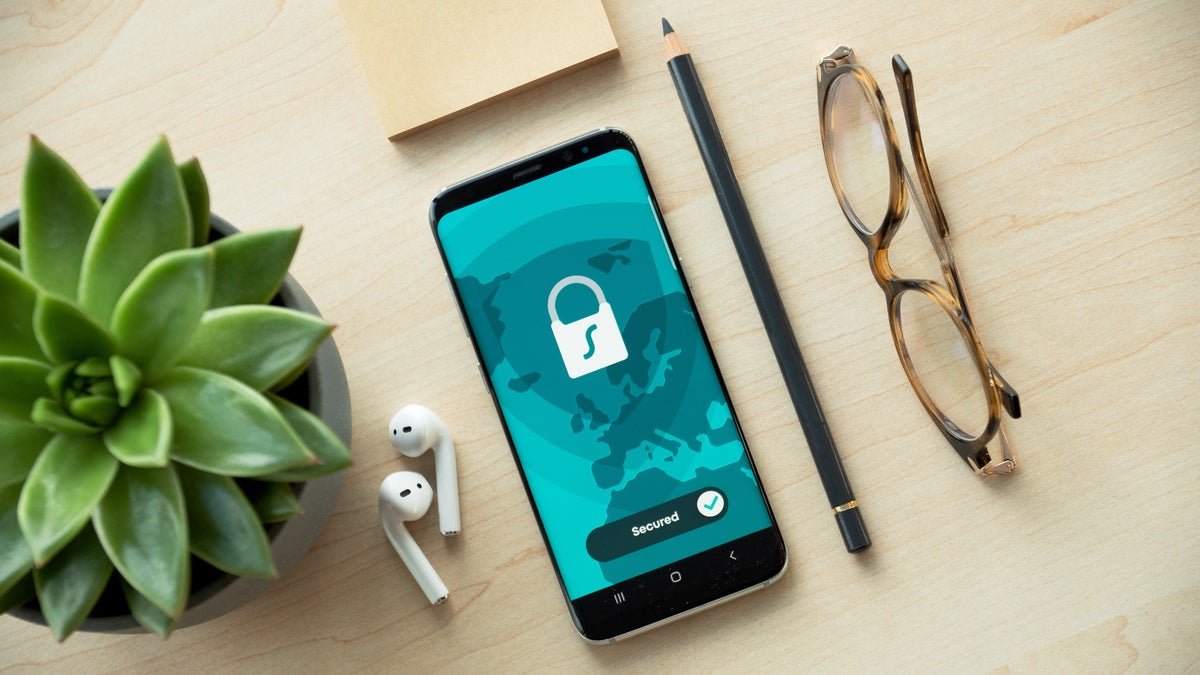
Android Privacy in 2026
Privacy remains an important issue for smartphone users.
Android provides permission controls that allow users to manage application access to information and device features.
These can include:
- Location.
- Camera.
- Microphone.
- Contacts.
- Photos and videos.
- Files.
- Phone.
- SMS.
- Nearby devices.
Users should review these permissions regularly.
Location Permissions
A navigation app may need location access.
A weather application may also need location information.
But an application that has no obvious location-related function may not need continuous location access.
Whenever possible, choose the least amount of access necessary for the feature you want.
Microphone and Camera Privacy
Android provides privacy indicators and permission controls for sensitive device features.
If an application needs microphone access, ask why.
If a camera application needs camera access, that is logical.
But unrelated apps should be examined more carefully.
Regularly reviewing microphone and camera permissions can reduce unnecessary access.
Android Security
Android security has improved considerably over time, but smartphone safety still depends partly on user behavior.
Your phone may contain:
- Banking apps.
- Credit card information.
- Email.
- Photos.
- Work documents.
- Password managers.
- Authentication applications.
- Personal conversations.
Use a strong screen lock and protect your primary Google account.
Also enable multi-factor authentication where available.
Google Play Protect
Android devices can use security mechanisms designed to detect potentially harmful applications.
Google Play Protect is one part of the Android security ecosystem.
Users should still be cautious.
Security tools are not a substitute for good habits.
Avoid installing applications from unknown sources unless you understand exactly what you are doing and trust the source.
Software Updates Are Becoming More Important
One of the most important differences between Android phones is software support.
Different manufacturers and models can have different update policies.
When buying an Android phone, do not look only at the processor and camera.
Also check:
- How long security updates are provided.
- How many major Android updates are expected.
- How quickly updates are delivered.
- Whether the manufacturer has a clear support policy.
A phone that receives security updates for many years can potentially remain useful longer.
Performance and Mobile Processors
Android processors are becoming increasingly powerful.
Modern chips handle:
- Gaming.
- Photography.
- Video editing.
- AI.
- Multitasking.
- Encryption.
- Connectivity.
Performance is not simply about CPU speed.
A smartphone’s overall experience also depends on:
- GPU performance.
- RAM.
- Storage speed.
- Thermal management.
- Software optimization.
- AI processing hardware.
RAM and Storage
Many Android phones offer different combinations of RAM and storage.
More RAM can help with multitasking, while faster storage can improve application loading and general responsiveness.
Storage is particularly important for users who:
- Record lots of video.
- Download movies.
- Install large games.
- Store photographs locally.
- Use the phone for work.
A phone that runs out of storage can become frustrating even if its processor remains powerful.
Battery Life and Fast Charging
Battery life remains one of the most important features for American consumers.
Android manufacturers continue to compete on battery capacity and charging speed.
Fast charging can be useful when you need to quickly add several hours of battery life.
However, charging speed is only one part of the equation.
Actual battery endurance depends on:
- Screen brightness.
- Display refresh rate.
- Processor efficiency.
- Cellular signal.
- 5G usage.
- Gaming.
- Camera use.
- Background applications.
- Battery health.
A phone with a slightly smaller battery can sometimes last longer because of better efficiency.
Wireless Charging
Wireless charging has become increasingly common on premium Android phones.
It provides convenience because users can place the phone on a compatible charging pad instead of connecting a cable.
Some ecosystems also support reverse wireless charging, allowing a phone to provide power to compatible accessories.
For users with wireless earbuds or smartwatches, this can be particularly convenient.
5G and Connectivity
5G remains an important feature for modern Android smartphones in the USA.
Depending on the carrier and network, 5G can offer faster speeds and lower latency than older cellular technologies.
However, the experience varies by location and network conditions.
Other connectivity features to consider include:
- Wi-Fi.
- Bluetooth.
- NFC.
- USB-C.
- eSIM.
- Satellite-related capabilities on supported devices.
When purchasing a phone, compatibility with your carrier is important.
USB-C
USB-C has become the standard connector across much of the modern Android ecosystem.
It can be used for:
- Charging.
- Data transfer.
- External displays.
- Accessories.
- Wired headphones with compatible adapters.
- External storage.
However, not every USB-C port supports the same data-transfer speeds or display capabilities.
Check the specifications if you plan to connect professional accessories.
Gaming on Android
Android is an increasingly capable gaming platform.
Modern smartphones can handle demanding games with sophisticated graphics.
Gaming performance depends on:
- GPU.
- Processor.
- RAM.
- Cooling.
- Display refresh rate.
- Battery.
- Game optimization.
Some gaming-oriented Android phones also include specialized cooling systems, physical controls, or gaming software.
But flagship smartphones can also provide excellent gaming performance without being specifically designed as gaming phones.
AI and Productivity
One of the most useful applications of smartphone AI is productivity.
An Android phone can increasingly assist with:
- Summarizing messages.
- Organizing notes.
- Drafting emails.
- Translating languages.
- Creating reminders.
- Searching information.
- Editing photographs.
- Transcribing conversations.
- Organizing documents.
The goal is not necessarily to automate everything.
Instead, AI can reduce the amount of time spent on repetitive tasks.
Android for Work
American workers increasingly use smartphones for professional tasks.
A modern Android phone can support:
- Email.
- Video meetings.
- Cloud documents.
- Team messaging.
- Calendar management.
- Password management.
- File sharing.
- Business applications.
For remote workers and small-business owners, a powerful smartphone can sometimes serve as a secondary productivity device.
Android for Students
Students can also benefit from modern Android features.
A smartphone can help with:
- Research.
- Note-taking.
- Translation.
- Calendar management.
- Study reminders.
- Educational applications.
- Document scanning.
- AI-assisted learning.
However, students should verify important information produced by AI tools rather than treating generated answers as automatically correct.
How to Choose an Android Phone in 2026
Instead of buying based only on advertising, consider your actual needs.
For Everyday Users
Focus on:
- Battery life.
- Reliable performance.
- Camera quality.
- Software updates.
- Display.
- Price.
For Gamers
Focus on:
- GPU.
- Cooling.
- Display refresh rate.
- Battery.
- Charging.
- Storage.
For Photographers
Focus on:
- Camera sensors.
- Optical stabilization.
- Telephoto capability.
- Low-light performance.
- Video recording.
- Image processing.
For AI Users
Focus on:
- AI-capable processor.
- Supported AI features.
- On-device processing.
- Software support.
- RAM.
- Storage.
For Long-Term Buyers
Pay close attention to:
- Security-update period.
- Major Android updates.
- Battery replacement options.
- Repairability.
- Storage.
- Hardware durability.
Android vs iPhone in 2026
The choice between Android and iPhone is increasingly about ecosystem and personal preferences rather than one universal specification.
| Feature | Android | iPhone |
|---|---|---|
| Device variety | Very broad | More limited |
| Price range | Broad | Primarily premium |
| Customization | Generally extensive | More controlled |
| Foldable options | Available | Limited/market-dependent |
| AI | Varies by manufacturer | Integrated into Apple’s ecosystem |
| App ecosystem | Google Play and other options | Apple’s App Store |
| Hardware choices | Many manufacturers | Apple only |
| Software experience | Varies | More standardized |
| Accessories | Broad selection | Broad Apple-focused ecosystem |
Neither platform is identical.
Your choice can depend on the devices you already own, the applications you use, your budget, and the features that matter most to you.
Android Privacy Checklist
For better smartphone privacy:
- Review app permissions.
- Disable unnecessary location access.
- Review microphone permissions.
- Review camera permissions.
- Remove unused applications.
- Keep Android updated.
- Use a strong screen lock.
- Enable multi-factor authentication.
- Use unique passwords.
- Be careful with unknown apps.
- Avoid suspicious links.
- Review connected devices.
- Back up important information.
Frequently Asked Questions
What is the biggest Android trend in 2026?
Artificial intelligence is one of the major trends, alongside foldable devices, improved cameras, longer software support, powerful processors, and increasingly sophisticated connectivity.
Are Android phones secure?
Modern Android phones include multiple security technologies, but no smartphone is completely immune to threats. Software updates, strong authentication, safe app installation, and careful online behavior remain important.
Do all Android phones have the same AI features?
No. AI capabilities vary significantly between manufacturers, models, processors, software versions, regions, and services.
Are foldable Android phones worth considering?
Foldables offer a different form factor and can provide a larger screen in a portable device. However, buyers should consider price, durability, battery life, hinge design, and repair costs before purchasing.
How long should an Android phone last?
The practical lifespan depends on hardware quality, battery condition, software support, and user requirements. Phones with longer security-update policies can be more suitable for long-term ownership.
Is more RAM always better?
Not necessarily. RAM can improve multitasking, but overall performance also depends on the processor, storage, software optimization, and how the phone is used.
Does 5G automatically mean faster internet?
No. Real-world speeds depend on the carrier, network congestion, signal strength, spectrum, device, and location.
Final Thoughts
Android phones in 2026 are becoming more powerful, intelligent, and flexible.
AI is moving directly into smartphone features, cameras are relying increasingly on computational photography, foldable designs are creating new form factors, and long-term software support is becoming an increasingly important purchasing consideration.
For American consumers, choosing an Android phone should not be based solely on processor speed or camera megapixels.
Consider the complete experience:
AI capabilities + camera + battery + software support + security + display + connectivity + price.
The best Android phone for one person may be completely different from the best fit for another.
Whether you want a simple everyday smartphone, a powerful gaming device, a productivity machine, a photography-focused phone, or a foldable, the Android ecosystem in 2026 offers a wide range of choices.
The key is to compare the features you will actually use and choose a device that can continue meeting your needs for years.
Primary SEO Keyword
Android phones in 2026
Secondary SEO Keywords
- Android phones 2026
- best Android features
- Android AI features
- Android AI 2026
- Android smartphones USA
- Android privacy
- Android security
- Android phones trends
- foldable Android phones
- Android camera technology
- Android battery life
- Android 5G phones
- Android gaming
- Android smartphone technology
- Android software updates
- Android vs iPhone 2026
Meta Description
Discover the biggest Android phone trends in 2026, including AI features, foldable phones, cameras, privacy, security, 5G, battery life, gaming, software updates, and buying tips for US users.







Leave a Reply